
John 9:18-34
The Jewish leaders didn’t believe the man had been blind and received his sight until they called for his parents. The Jewish leaders asked them, “Is this your son? Are you saying he was born blind? How can he now see?”
His parents answered, “We know he is our son. We know he was born blind. But we don’t know how he now sees, and we don’t know who healed his eyes. Ask him. He’s old enough to speak for himself.” His parents said this because they feared the Jewish authorities. This is because the Jewish authorities had already decided that whoever confessed Jesus to be the Christ would be expelled from the synagogue. That’s why his parents said, “He’s old enough. Ask him.”
Therefore, they called a second time for the man who had been born blind and said to him, “Give glory to God. We know this man is a sinner.”
The man answered, “I don’t know whether he’s a sinner. Here’s what I do know: I was blind and now I see.”
They questioned him: “What did he do to you? How did he heal your eyes?”
He replied, “I already told you, and you didn’t listen. Why do you want to hear it again? Do you want to become his disciples too?”
They insulted him: “You are his disciple, but we are Moses’ disciples. We know that God spoke to Moses, but we don’t know where this man is from.”
The man answered, “This is incredible! You don’t know where he is from, yet he healed my eyes! We know that God doesn’t listen to sinners. God listens to anyone who is devout and does God’s will. No one has ever heard of a healing of the eyes of someone born blind. If this man wasn’t from God, he couldn’t do this.”
They responded, “You were born completely in sin! How is it that you dare to teach us?” Then they expelled him.
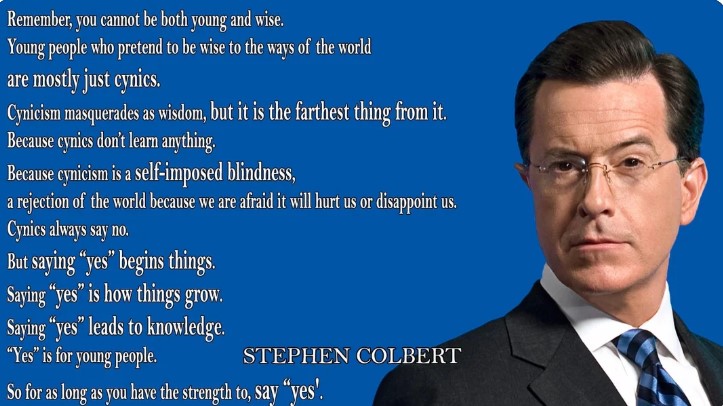
In this passage, we are beginning to see the self-imposed blindness that we spoke of earlier. The Jewish leaders previously assumed this man had received his sight, but now act as if this might be a hoax. They seek out his parents to hopefully confirm their suspicions. The parents aren’t helpful because they fear speaking in favor of Jesus. The pharisees have already broadcast their intentions – they will expel anyone proclaiming Jesus from the synagogue. Fear, unfortunately, is too often an effective deterrent.
The pharisees summon the newly-sighted man again to see if they can get anything from him for their purposes. The man seems to know that the intentions of his interrogators have nothing to do with the truth. So not only does he not give them anything useful, he all but calls them out for their hypocrisy. Hearing his antagonism towards them, the pharisees denounce and expel him as well. They know the truth, but the truth doesn’t serve their purposes. Self-imposed blindness.
As is often the case in gospel narratives, we can “sit outside” the story, judge, and denounce this kind of behavior, telling ourselves, “we would never be so intentionally blind.” But to extent we are able to be brutally self-aware, we would have to admit our pharisaical tendencies. When the truth makes us feel uncomfortable, we can easily be tempted to “spin” the truth in a way that quells our discomfort. When we feel threatened or called out by the witness of scripture, we can all too easily decide, “that’s not really what it means.” Self-imposed blindness is way more prevalent than we want to admit.
Question: Have you ever felt threatened or least uncomfortable upon being confronted by eye-opening truth? How did you respond?
Prayer: Lord, help us develop brutal honesty with ourselves about the Truth when we are confronted by it. Lead us toward transformation. Amen.
Prayer Focus: Pray for people who have been unfairly condemned by people professing Christian faith?
Song: Pluto – Sleeping at Last
 Weekday Word w/ Eric
Leave a comment